
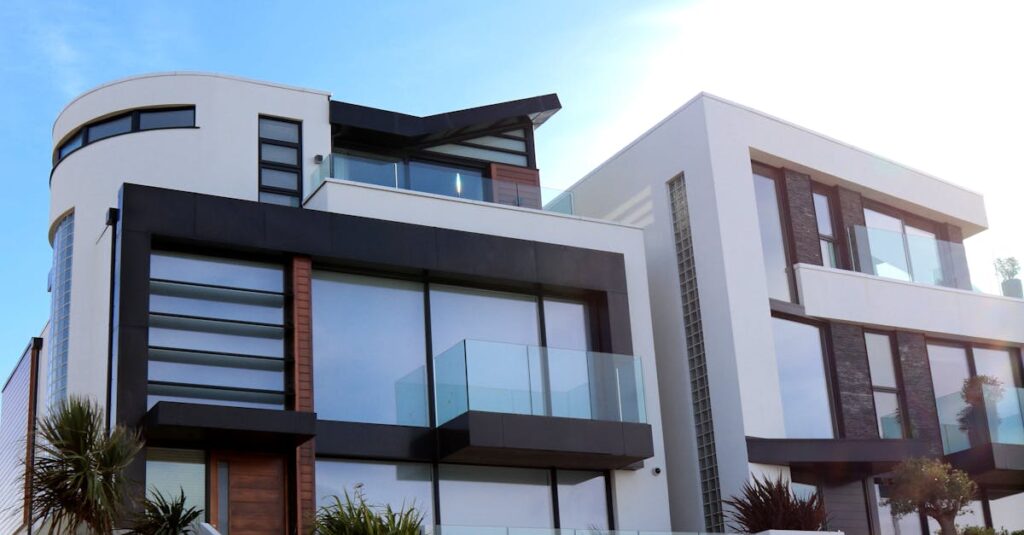
Confused about buying or renting a home as a newly married couple in India? Here’s a practical, financial breakdown to help you decide what’s right for your goals.
💡 Introduction
As a newly married couple in India, you might feel the pressure to “buy a house quickly.”
Whether it’s family expectations or the dream of settling down, many couples rush into homeownership without evaluating its impact on their finances or lifestyle.
This blog helps you explore the real pros and cons of buying vs. renting, based on your:
- Income stability
- Lifestyle choices
- Career goals
- Financial readiness
Let’s help you make a smart, stress-free decision.
🏠 Buying a House: The Pros
1.
Stability & Ownership
You don’t have to deal with landlords, rent hikes, or moving every 11 months. Your space is truly yours.
2.
Wealth Creation Over Time
If you buy in a growing area, your property value can multiply over 10–15 years.
3.
Emotional Satisfaction
Especially in Indian culture, owning a home feels like a major life achievement.
4.
Tax Benefits
- ₹2L deduction on home loan interest (Sec 24b)
- ₹1.5L deduction on principal (Sec 80C)
🏚️ Buying a House: The Cons
1.
Huge Financial Commitment
- Down payment: ₹10–30 lakhs
- EMI burden: ₹25K–₹80K/month
- Maintenance, taxes, and insurance costs
2.
Reduced Flexibility
You may not be able to relocate easily for job or lifestyle changes.
3.
Interest Outgo
Over a 20-year loan, you could pay ₹30–50 lakhs extra as interest.
🏠 Renting a House: The Pros
1.
Low Initial Cost
You just pay deposit + rent. No need to block a big chunk of savings.
2.
Location Flexibility
Want to live in a prime area or switch cities? Renting offers unmatched flexibility.
3.
More Liquidity to Invest
Instead of paying EMI, you can invest that amount in mutual funds, SIPs, or start a business.
4.
No Maintenance Headaches
The landlord usually handles repairs, taxes, and society fees.
🧮 Buy vs. Rent: Financial Comparison Example
| Scenario | Buying | Renting |
| Home Value | ₹75 lakhs | ₹0 |
| EMI (20 years @ 8%) | ₹62,000/month | ₹25,000/month |
| Down Payment | ₹15–20 lakhs | ₹1–2 lakhs (deposit + setup) |
| Total Paid in 20 yrs | ₹1.5+ crore (incl. interest) | ₹60–70 lakhs (rent escalates) |
| Investment Value | ₹0 (money in home) | ₹1 crore+ if invested wisely |
Note: If your investment returns exceed real estate appreciation, renting might be smarter for wealth-building.
✅ So… Should You Buy or Rent?
Buy a Home If:
- You have stable income (govt/PSU/private with 5+ year vision)
- You plan to live in the same city long-term
- You can afford 20–30% down payment without draining your savings
- You’re mentally ready for EMI discipline
Rent a Home If:
- You’re early in your career or likely to switch jobs/cities
- You don’t want EMI pressure or maintenance headaches
- You’d prefer to invest in more flexible assets
- You value location/lifestyle over ownership
📌 Expert Tip: The 30:30:30 Rule for Home Buying
Before buying, make sure:
- EMI ≤ 30% of monthly income
- Down payment ≤ 30% of total home value
- Total home price ≤ 3× your annual income
If you can’t meet these, consider renting and saving more.
✅ Conclusion
Buying a home is not a race—it’s a personal, financial, and emotional decision.
There’s no shame in renting while you build wealth, explore life, and wait for the right time.
Remember: The right time to buy is when you’re ready—not when society says so.